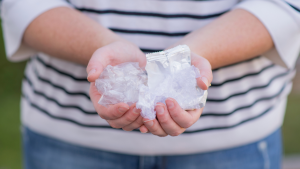
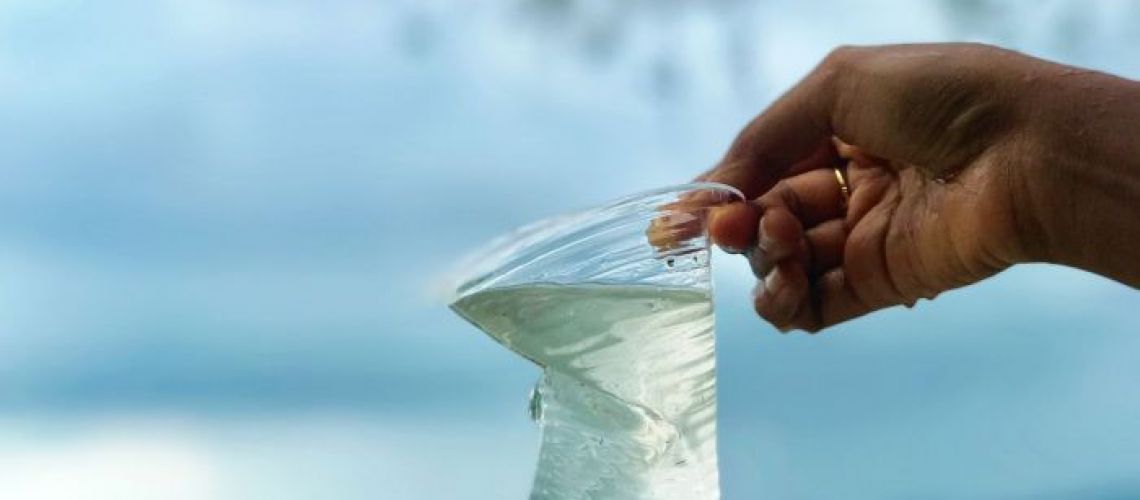
The word “plastic.”
This polymeric, large molecule, non-biodegradable, and man-generated material brought into the world in the name of simplicity and versatility has not just filled our homes but also the depths of our oceans.
From plastic containers to cover sheets, most products we consume are packaged in plastic with a minimal chance of hitting a recycling bin. Most of these are obtained from petroleum, and they sustain in a natural environment for hundreds of years. When we buy a bottle of ketchup, no thought crosses our mind about its proper disposal.
Plastic pollution “a serious issue.”
The materials used before plastic were glass, iron, aluminum, and paper. All these products are reusable and have a high recovery rate, whereas plastic is low cost but is also low on recovery rate.
The problem plastic generates doesn’t start after it has been manufactured. It starts from day zero, from the time we begin manufacturing, as the chemicals produced to make these products also pollute the environment. Softeners used to decrease the brittleness of plastic release chemicals that are very dangerous to the human body. Not just that, compounds such as bisphenol A (BPA) and polybrominated diphenyl ether (PDBE) disrupt estrogen and thyroid, respectively.
How to get rid of it?
You don’t. That is the major issue with products manufactured in plastic. It can only be put to use or benefit us in case of proper disposal and recycling. However, recycling is a phenomenon that is alien to many countries even now. Some regions on the planet dump their non-biodegradable waste directly into the ocean, which adds up to devastating ocean pollution.
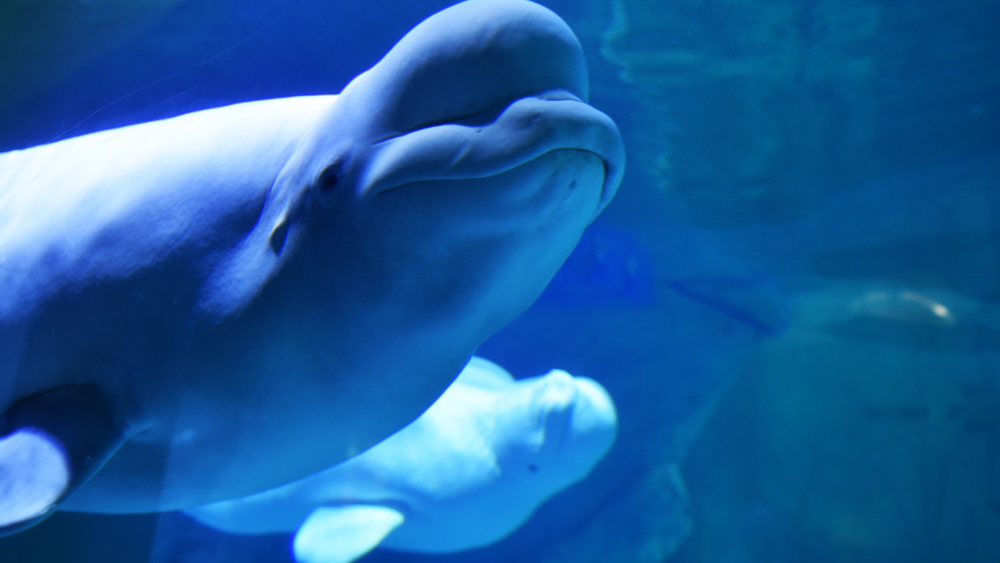
Marine life, a base for our oxygen production and food, has been facing this serious problem for many decades now. Aquatic animals are dying of eating plastic mistaken for food.
Use less plastic, maybe?
It seems like the first idea that comes to mind when we read such a shocking piece of information. But how do you say bye to plastic? We have accustomed ourselves to the kind of lifestyle, it seems to be rather an untenable target.
However, small steps taken towards a better future can make a huge difference. For instance, let’s start using reusable bottles in the kitchen rather than single-use plastic bottles. We can reuse them for refilling and organize kitchen cabinets with the same bottles for spices and confectionaries. So small steps towards a journey to swap plastic represent a huge opportunity to change.
Hope!
It can be tough to replace our car parts made of plastic or to buy a refrigerator with a steel interior. However, there are tiny details of our routine life that can be maneuvered to reduce plastic pollution. Starting from paper or glass coffee cups and thermos instead of a water bottle, we can make small changes that may have a significant impact.
If not only for us but also for our future generations. We need to start acting now and bring the change!
Helmut Schmidt said that “Whoever wants to reach a distant goal must take many small steps.”