Our oceans receive 8 million tonnes of plastic each year. What’s worse is that this figure is expected to triple by 2040.
This alarming situation requires a prompt response because if we do not step forward now, we’ll run out of our natural resources. Not that we do not have solutions to the problem at hand, but the challenges they impose are enormous.
Therefore, we continuously need to remind ourselves that each of us has a critical role in this regard. However, when I embarked on this road and spoke with different people, I discovered a long list of barriers and obstacles that those people faced on their transformation journey.
We also ran an online survey and collected 100 answers to have better insights into consumer perception of plastic pollution. The good news is that 87% of consumers interviewed think they have an essential role in reducing plastic waste and pollution.
Today, Pollution And Waste Are Plastic’s Epithet
We asked, what is the first thing that comes to your mind when you hear the word ‘Plastic’?
Pollution, waste, and bottles are the top of their minds. However, there are countless other forms in which we consume plastic. This reflects that even if considered a noble material, there is a negative connotation attached to ‘plastic’. Needless to say, it is due to the increasing awareness of the harmful environmental effects of plastic.
Nature is a system that works in parfait equilibrium; yet, plastic waste has disturbed the whole ecosystem. A large amount of our waterbodies is now replaced by plastic waste. Not only has it affected our water resources but it also destroyed the life forms within it.
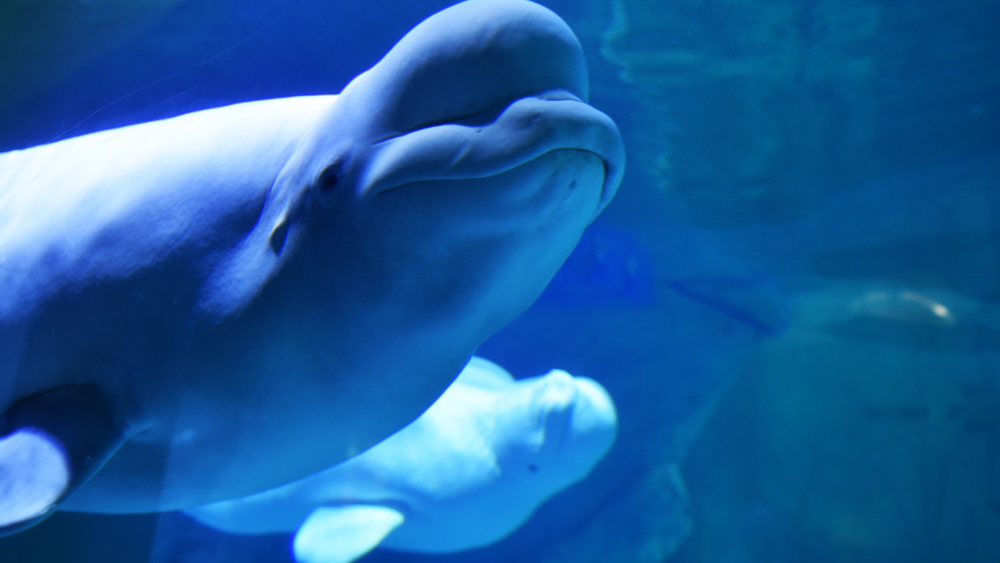
About 100,000 aquatic life forms are killed in a year by plastic pollutants.
It doesn’t end there. Plastic pollutants are also endangering land animals. Plastic trash like bottles and bags that somehow fail to make their way into the ocean ultimately roams the land, choking and entangling the animals on it. Moreover, a large amount of trash, which mainly constitutes plastic, is dumped in the landfills that pollute the soil and further contribute to water pollution.
Good news is that we Are Reducing Their Plastic Use
Considering these hazards, more and more people focus on reducing plastic and looking for alternatives to replace it. This is highly significant for businesses involving plastic products in packaging and production for the following reasons:
- The shift in consumer behavior
People these days prefer to associate with brands that contribute to social and environmental betterment. Indeed, according to our survey of 100 participants, 51% of consumers are highly concerned about plastic packaging’s harmful effects, while 43% are reasonably concerned.
- Protection of ecosystem
Businesses, like any other sector of a society, are equally responsible for protecting the ecosystem.
- Conservation of resources
To ensure a lasting availability of resources, businesses need to conserve resources and use them strategically.
Grocery Shopping And Take-Outs Are Considered The Major Areas Of Plastic Consumption
The three most common areas where consumers think they are using more plastic are grocery shopping (65%), takeouts (48%), and kitchen (42%).
Other options included coffee shop (12%), lunch break (14%), kids parties (23%), bathroom (33%), fast food (22%), and others (11%).
We see these increasing concerns and acknowledge translated into action. When discussing with some users, they described how they had implemented efforts to reduce this plastic pollution by using their own grocery bags, buying reusable cleaning utensils and clothes, and some other stop to buy plates or utensils when entertaining or stated using a refillable bottle when going out. All these actions reduce plastic pollution, but no single solution will suffice, as determined by this study.
Consumers Are Acknowledging Their Responsibility in Controlling Plastic Pollution
We all have a role to play, from consumers and organizations. Moreover, it also involves businesses that produce and sell plastic packaging and the government, which allows their production and consumption.
If the government starts to impose strict laws against unnecessary plastic production and charge consumers for careless use, plastic pollution will reduce remarkably.
On the other hand, if plastic packaging producers switch to sustainable packaging, consumers will be offered better alternatives to reduce plastic consumption. According to a pollution report, of 147000 plastic pieces gathered in 2018, most of them belonged to Coca-Cola, Nestle, P&G, PepsiCo, Unilever, Danone, Perfetti van Melle, Mondelez international, Colgate-Palmolive, and Mars.
Similarly, if the consumers boycott unnecessary plastic packaging and start recycling and reusing packaging, plastic pollution will decrease considerably.
According to the answers we collected during the survey, consumers believe that they play a crucial role in reducing plastic pollution. Private sectors or the companies producing or using plastic packaging stand at second position among the given choices. With 69% votes, local and regional authorities stood at the third position and the government at the fourth.
The Gap Between Caring And Doing
To find a practical answer to this question, I provided my surveyees with several answer choices that included some common plastic litter categories and asked their opinion on whether we as consumers can reduce their impact on the environment or not.
The four most robust cases where the participants agreed on the possibility of reducing their impact on the environment were shopping bags (90%), drink bottles (soda, soft drink, juices, water, etc.) (89%), cups (81%), and food containers -80%.
Here is a list of other plastic litter options given to them and their responses.
- Caps and lids -79.69%
- Straws -78.46%
- Cutlery -67.69%
- Sweets wrappers -60.32%
- Cotton bud sticks -46.03%
- Cigarette butts with filters -41.27%
- Sanitary towels -39.06%
This gives us a clear indication of the areas we need to look into for reducing plastic consumption. These plastic litter categories are a common sight and certainly require prompt regulatory actions.
Some of the end-user ideas on reducing plastic waste are
- Invest in reusable items
- Recycle as much as possible
- Carry your own straws, bags, etc.
- Replace disposables with sustainable items
- Purchase in bulk to reduce packaging
- Create awareness
- Purchased unwrapped food
- Buy from local stores
- Reduce the consumption of fast food
The Plastic-Free Road Can Be Confusing And Overwhelming
Several consumers describe that even if they want to make an effort, there is a lot of information out there and still an overwhelming process. What to recycle? Good or bad? How? Replace what? And how?
Some businesses develop practical solutions to reducing plastic waste. I further clarified consumers’ points of view and willingness to take specific actions for the cause. Among several actionable statements that I provided them with, three options got the most preferences.
- I would like to receive a pack with plastic-free alternatives for each area of my daily life, as the kitchen, bathroom, grocery shopping, and others.
- I’d be interested in starting a plastic-free journey.
- I would like to use a mobile application to better understand plastic usage and implications and find new alternatives to replace plastic.
They also showed considerable interest in participating in cleaning events like beach cleaning campaigns, attending relevant educational programs, and joining a community to reduce plastic footprint. Businesses can use these ideas to take initiatives to help consumers decrease plastic usage through their preferred ways to ensure remarkable results.
Conclusion
To sum up, the enormity of plastic pollution cannot be dealt with a single solution and requires a global effort. Today, plastic is a common part of our lives that we might never give up entirely. However, as demonstrated by several initiatives and increased consumer willingness to reduce plastic pollution, we have set about on the journey of transformation.
Though we cannot wipe plastic out of the face of the earth, we can think twice before buying and throwing it away. It’s not just about consumers; it’s also about producers and authorities, whether they’re national or local.
For these reasons, we are starting our journey to build “beterre,” a path towards reducing and replace plastic – a community that will help you through your transformation journey and helps you sustain it.
The journey of a thousand miles begins with one step.
Lao Tzu
References
Plastic fact in the intro
100,000 aquatic life forms are killed in a year by plastic pollutants
Coca-Coal is the leading polluter