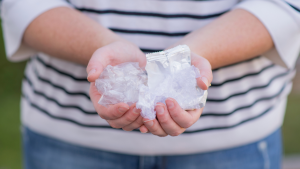
Last week, I mentioned the fact that microplastics are tiny but extremely polluting. The thing is there are some plastics that can take up to 1000 years or even more to decompose. Even worse some plastic cannot even be recycled. According to National Geographic, 91% of plastic is not recycled. So, imagine plastic takes years to decompose and it can’t even be recycled. What a nightmare! But, don’t worry, beterre is here to help you and explain to you which plastic can be recycled and which cannot.
Families of recyclable plastics
In reality, there are 3 large families of recyclable plastics:
- Polyethylene Terephthalate (PET), used to make water bottles for instance
- High-Density Polyethylene (HDPE), used to make containers for milk and shampoo bottles
- Polypropylene (PP), used to make margarine tubs and ready-meal trays
These plastics are super common and are recycled. Still, you can avoid plastic bottled water even if they can be recycled.
However, there are plastics that are incredibly hard to recycle and it includes crisp packets, salad bags, plastic wrap, and more.
Hard-recycling plastic
Some plastics are more difficult to recycle:
- Polyvinyl Chloride (PVC) used in construction but also for plumbing and draining
- Low-Density Polyethylene (LDPE) used for food bags
- Polystyrene (PS) used for plastic cutlery
It’s probably due to their size or the fact that they can be damaged or get dirty. For instance, food bags will get dirty because of grease or the food sauce.
How can I do beterre?
The plastic which is not recycled ends up in landfill and eventually finds its way to our oceans. So what can we do? I think the answer is pretty obvious. We need to sort our waste better. And above all, we need to create less waste. And how do we do so? By buying less and by adopting a “minimalist” lifestyle.
It will seem to you a long path, but every step is worth it since you’re preserving the environment and offering a better future for your beloved ones. So, please use your voice and spread awareness to sensitize people and inspire them to change their habits and adopt a conscious behavior. Remember the journey starts with you.